When Housework Starts Becoming Too Much For An Older Relative
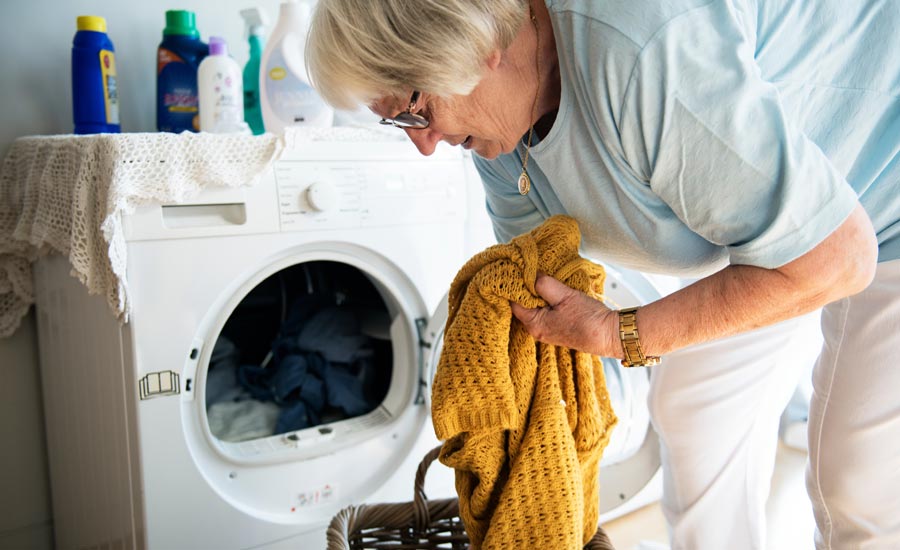
If you’ve noticed small changes around your parent’s home, such as cleaning being left unfinished, laundry building up or food going out of date, it can be an early sign that everyday tasks are becoming harder for them to manage.
Here are some of the signs that an elderly parent might be struggling to manage at home and when it may be time to consider extra support.
How To Tell If My Elderly Parent Is Struggling To Manage At Home?
If your elderly parent is struggling to manage by themselves at home, there will be subtle signs, such as regular housework being left undone, laundry piling up, expired food in the fridge, missed medication, poor personal hygiene, reduced mobility and increasing forgetfulness. Keep a close watch to assess whether or not it’s time to review whether they need extra support.
Signs Around The Home That Shouldn’t Be Ignored
One missed chore is not usually a cause for concern, but if a few of these areas are being neglected, it might be time to discuss with your loved one about moving into a residential care home:
Cleaning Is No Longer Being Kept Up With
A home that was once always clean and tidy is becoming noticeably dustier or more cluttered with little to no organisation. You might also notice they are leaving dirty dishes out and not emptying bins.
The Home Is Becoming Harder To Maintain
The easy, everyday jobs like changing bed linen, vacuuming, cleaning the bathroom or keeping on top of paperwork are starting to fall behind. These are often some of the first everyday tasks that become difficult when a person’s care needs begin to change.
The Kitchen Tells A Different Story
An empty fridge, food that has gone out of date or cupboards with very little in them can all suggest that shopping, cooking or preparing meals has become a challenge.
Laundry Is Building Up
Clothes, towels or bedding aren’t being regularly washed as often as they used to be. Your loved one may also start wearing the same clothes for several days because doing the washing has become more difficult.
Shopping Has Become More Difficult
You may notice there is very little fresh food in the house and cupboards are running low – or your parent is relying on ready meals and snacks. Shopping bags could also be left unpacked because carrying or putting items away has become more difficult.
The Garden Is No Longer Being Maintained
If your loved one has always taken pride in their garden, an overgrown lawn, weeds or neglected plants may be a sign that outdoor jobs have become too physically demanding.
Small Repairs Are Being Left
Signs your parent is finding it harder to keep on top of everyday responsibilities might include light bulbs that haven’t been replaced, broken appliances or minor household repairs that have been ignored.
They Are Using Less Of Their Home
You might notice your loved one is spending most of their time in one room because using the stairs or moving around the house has become more difficult. And certain rooms have also stopped being cleaned or used.
What Can Cause An Older Relative To Struggle At Home?
Everyday tasks can become more difficult for an older adult for several reasons, so understanding the cause can help you decide what support your elderly parent may need.
Some of the most common reasons include:
- Reduced mobility, making it harder to clean, carry shopping or move safely around the home.
- Arthritis or joint pain, which can make everyday jobs more tiring or uncomfortable.
- Memory problems, leading to forgotten chores, missed medication or unopened post.
- Poor eyesight, making it more difficult to spot hazards, read labels or prepare meals safely.
- A recent illness or hospital stay affecting strength, balance and confidence during recovery.
- A fall or fear of falling, causing an older relative to avoid tasks they no longer feel safe doing.
- Progression of a long-term health condition, such as dementia, Parkinson’s disease or heart disease, which may increase the level of support they need at home.
When Your Elderly Parent Needs Extra Support | The Next Steps
It’s a hard decision to make, but you might want to consider a care assessment if your loved one is:
✓ Finding it difficult to keep on top of housework, shopping and cooking.
✓ Losing weight because they are not preparing regular meals.
✓ Becoming less mobile or less confident around the home.
✓ Forgetting to take medication or attend appointments.
✓ Needing more help with washing, dressing or other personal care.
✓ Recovering more slowly after illness or a hospital stay.
✓ Relying on family members more often to manage everyday tasks.
Getting extra support for your parent struggling to live alone doesn’t always mean moving into residential care straight away.
In fact, some families begin with home care or additional help from relatives. However, if everyday tasks are becoming increasingly difficult or your loved one’s health and safety are being affected, it could be time to consider whether a care home could provide the level of support they now need for safety and well-being whilst helping your loved one maintain independence.
Ready to explore...