What Repeated Falls Can Tell You About an Older Relative’s Health
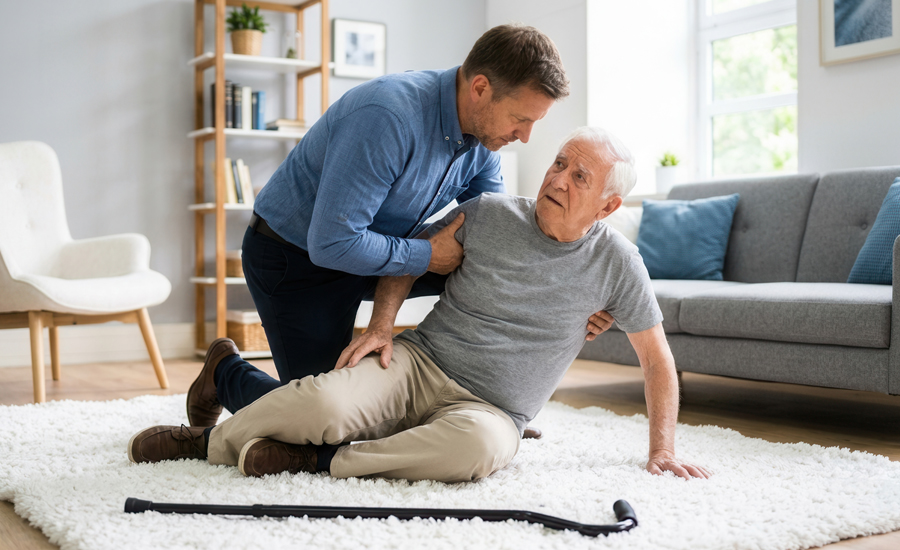
Falls are unfortunately common in later life.
According to NHS England, around 30% of adults aged 65 and over experience at least one fall each year. But if your mum or dad has started falling regularly, it’s important to find out why.
Perhaps your elderly relative has fallen twice while getting out of bed or you’ve noticed they’re struggling to stand up from their favourite armchair. They might insist they’re fine, but changes like these need closer attention.
Understanding what’s behind these falls can prevent another accident and identify health problems that might otherwise go unnoticed. Keep reading to learn more.
When Should Repeated Falls Become a Concern?
If your loved one has fallen twice or more within 12 months, they should be offered a comprehensive falls assessment under NICE guidelines. Even one fall warrants further investigation if they’ve been injured and needed medical treatment, lost consciousness or been unable to get up without help. A falls assessment can help identify the cause and establish what support or treatment could reduce the likelihood of another fall.
Common Causes of Repeated Falls in Older Adults
If your loved one has fallen more than once, it’s important to find out why.
There could be an underlying health problem affecting their balance or strength and identifying it early could help prevent another fall:
Changes in Blood Pressure
Your relative might feel perfectly fine sitting down only to become dizzy when they stand up. This happens when blood pressure drops suddenly after changing position, a condition called postural hypotension.
The dizziness might last only a few seconds, but it can be enough to cause a fall. It’s more common in elderly adults and is made worse by dehydration or certain medications.
If this sounds familiar, ask your loved one’s GP to check their blood pressure lying down and standing to see whether sudden drops are contributing to their falls.
Medication Side Effects
If your loved one’s falls began after they started taking a new medication or had their dosage changed, the medicine could be contributing to the problem.
Sleeping tablets can cause drowsiness that continues into the following morning, while some antidepressants can affect balance and blood pressure medication can occasionally cause dizziness when standing.
Taking several medicines together can increase the risk of side effects and interactions. If you think the cause of your loved one’s falls is their medication, a GP or pharmacist can review everything they take, including over-the-counter remedies, to see whether anything needs to change.
Loss of Muscle Strength
Muscle weakness develops gradually, making it difficult to recognise how much your loved one’s mobility has changed.
You may have noticed your loved one walking more slowly than they used to, taking shorter steps or struggling to lift their feet properly. As the muscles in their legs weaken, even a small stumble can become difficult to recover from. For example, catching a foot on the edge of a rug could lead to a fall because they no longer have the strength or stability to regain their balance.
Spending several days in bed during an illness or hospital stay can affect an older adult’s mobility considerably, and they might return home struggling with activities they managed independently just a few weeks earlier.
If they’re worried about falling again, they might walk less, which can worsen muscle weakness and make the problem progressively worse.
Physiotherapy can break this cycle by rebuilding the strength needed for walking and standing.
A physiotherapist can assess your relative’s mobility and recommend suitable exercises, such as practising getting up from a chair or rising onto their toes while holding a stable support. With regular practice and the right guidance, these exercises can improve stability and help your loved one feel more confident moving around.
Problems With Vision or Balance
Poor eyesight can make familiar surroundings more difficult to navigate. Cataracts, for instance, can reduce contrast sensitivity, making it harder to distinguish a step’s edge from the floor below.
If your loved one has started hesitating at kerbs or misjudging distances, arrange an eye examination to check whether their vision has deteriorated.
Inner ear conditions are another possible explanation. Benign paroxysmal positional vertigo causes sudden, brief episodes of spinning dizziness when the head moves in certain directions. Your relative might experience this when turning over in bed or bending down to pick something up.
A trained healthcare professional can often treat BPPV with specific head movements. But if dizziness becomes a regular problem, your GP can investigate the cause and arrange appropriate treatment.
How Repeated Falls Can Affect Your Loved One’s Health
Even if your loved one escapes a fall without a serious injury, the experience will likely affect their confidence and ability to manage everyday activities. In other words, repeated falls have consequences that aren’t immediately obvious, with some becoming more serious over time.
These include:
- Fractures and broken bones – Hip fractures are a significant concern in older adults because they often require surgery and a lengthy period of rehabilitation. Wrist and arm fractures are also common when someone instinctively puts out their hands to break a fall.
- Head injuries – A fall with a blow to the head can cause concussion or bleeding inside the skull. The risk of serious bleeding is greater for older adults taking anticoagulant medication, such as warfarin or apixaban. A head injury needs prompt medical assessment, even if your relative seems well initially.
- Reduced mobility – Pain from an injury can make walking uncomfortable, causing your loved one to spend more time sitting down. As their activity levels decrease, they tend to lose even more muscle strength and be more vulnerable to another fall.
- Fear of falling again – Your relative might stop using the stairs or avoid leaving the house because they’re worried about losing their balance. This can gradually limit their independence and leave them relying more heavily on family members.
- Long periods on the floor – If your loved one cannot get up after falling, remaining on the floor for several hours can lead to dehydration and pressure injuries. And if they fall in a cold room, they could also develop hypothermia, which is life-threatening.
- Loss of confidence with personal care – Getting into the shower or stepping out of the bath can become frightening after a fall as you no longer trust your balance or strength. Your relative might begin washing less frequently or need assistance with activities they previously managed privately.
- Social isolation – Someone who has fallen outdoors might become reluctant to go shopping alone or attend their usual activities. Missing these outings will ultimately start to affect their mood and reduce opportunities to stay physically active, which improves their strength and mobility.
- Increasing dependence on family – You may find yourself visiting more often to help your relative move around safely or to accompany them whenever they go outside. As their needs increase, providing this support alongside work and other responsibilities can become difficult for you and your family.
Please note: Repeated falls deserve attention before they result in a serious injury. Identifying the cause and arranging appropriate support can help your loved one remain active and maintain as much independence as possible.
How a Care Home Can Help Reduce the Risk of Falls
One of the hardest things about caring for an older relative who keeps falling is knowing they could have another accident when nobody is there. You might find yourself calling several times a day to check they’re alright or getting yourself into a panic when they don’t answer the phone, which can cause you stress and impact your work and home life.
For older adults whose mobility has deteriorated, moving into a care home can provide the extra support they need to feel safer and more confident. Here’s how a residential care home can help:
Support When Residents Need It
Falls often happen during normal, everyday activities. Your loved one might be perfectly comfortable sitting in their favourite chair but struggle to stand up without losing their balance. They might also need help getting to the toilet, especially during the night when they’re tired and less steady.
In a care home, residents can ask staff for assistance with these tasks. If your relative needs a walking frame, staff can make sure it’s close at hand and help them use it safely.
Care plans can also account for situations where a resident is more likely to fall. For example, if your loved one regularly feels dizzy when getting out of bed, staff can encourage them to sit upright for a moment before standing and provide support as they get onto their feet.
Making Everyday Surroundings Safer
A loose rug or poorly lit hallway might seem like a minor issue until your relative starts struggling to lift their feet properly. Care homes carry out falls risk assessments and can make adjustments to residents’ surroundings. This might involve rearranging furniture to leave enough room for a walking frame or providing suitable equipment to make getting out of bed easier.
Staff can also help residents choose supportive footwear and make sure they have a clear route to the bathroom. This is also very important in reducing falls for residents with dementia.
Care homes are also ready for emergencies, getting residents help as soon as they need it.
Helping Residents Regain Their Confidence
After a frightening fall, your loved one might become reluctant to walk without holding onto somebody. Over time, this can reduce their strength and make them even less steady.
Care staff can keep residents active at a pace they feel comfortable with. A short walk to the dining room might be a useful starting point for someone who has spent several weeks recovering from an injury in bed. As their confidence improves, they could feel ready to take part in more of the home’s activities, which gives them a strong sense of independence. Where physiotherapy is recommended, staff can support residents in following their exercise programme and encourage regular movement throughout the day.
Recognising When Extra Support Is Needed
Your relative’s mobility won’t necessarily stay the same. A new illness or a change in medication could affect their balance, even if they’ve been managing well for months.
Because care staff see residents throughout the day, they’re well placed to notice when something changes. If your loved one suddenly needs more help standing or starts stumbling more often, staff can arrange a review of their needs and involve their GP where appropriate.
And if a fall does happen, a carer is available to respond, assess whether medical attention is needed and make sure your relative gets the help they need.
Taking the Next Step After Repeated Falls
If your loved one has fallen more than once, don’t wait for a serious injury before you start seeking professional advfice.
Even if they insist they’re fine, a falls assessment can help identify health problems that might otherwise go unnoticed. Some causes of falling are treatable, so getting the right support early could prevent another accident.
If your loved one is struggling to get around safely and struggle with housework despite receiving support at home, residential care may be an option to explore.
At Old Shenfield Place Care Home, we understand how worrying repeated falls can be for families. You’re welcome to arrange a visit and talk to our team about the support we provide for residents with reduced mobility. It’s an opportunity to see our premium care home for yourself and discuss whether it could be a comfortable, safe place for your loved one to live.
Ready to explore...