How Care Homes Keep Residents Safe Without Taking Away Independence
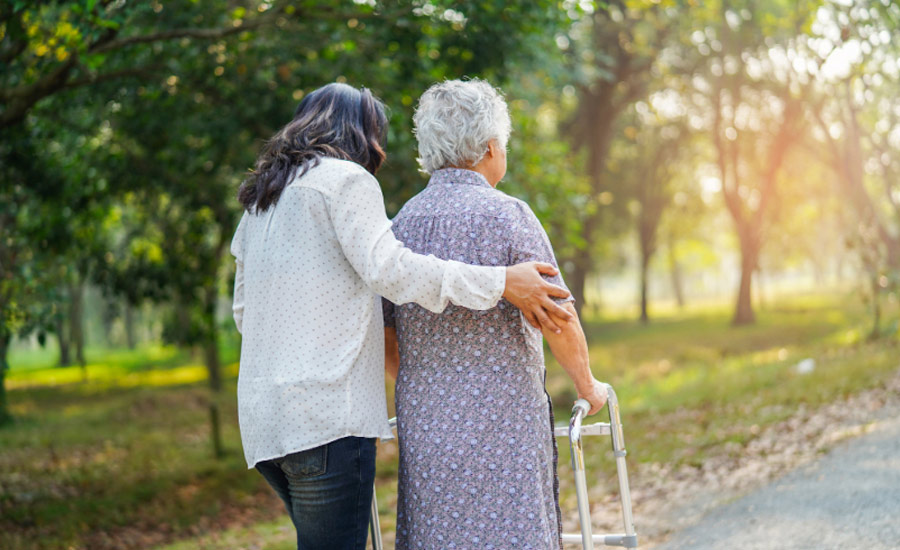
Being safe in a care home matters, but so does feeling independent.
Residents want freedom to make their own choices, while families and staff want to know they’re protected and supported.
This article explores how that works in practice and how safety and independence can easily go hand in hand.
What Safety Measures Let Residents Stay Independent in Care Homes?
Care homes ensure residents stay independent by combining a safe home layout design, smart technology, and personalised support. Handrails, level flooring, clear written signs and excellent lighting make it easier for residents to move confidently around their environment. Individual risk assessments and custom care plans mean residents get just the right amount of assistance, enough to stay safe, but not so much that it limits independence.
The Perfect Balance Between Safety and Independence in Homes
Finding the right balance between keeping residents safe while retaining their independence and dignity is at the core of exemplary care.
Too much focus on safety alone can make life feel restrictive for those living in care homes, while too much independence without the right safeguards can put them at risk for injury or long-term harm. The most effective care homes find a middle ground that protects residents while helping them live with confidence.
Independence in care homes is closely tied to dignity and well-being. And when residents can make everyday decisions, such as what to wear, when to rest, who to see or how to spend their time, they stay more engaged and maintain a stronger sense of self.
But safety measures should make those choices easier without taking them away altogether.
Staff training plays a big part in maintaining that balance, too.
Carers learn to assess risks carefully, support when it’s needed, but know when to step back when it isn’t. For example, assisting a resident with walking aids safely is better than doing everything for them. It keeps the person active and builds trust between residents and carers.
Safer Care Home Spaces by Design
By creating spaces that feel natural to use, homes can offer protection where it matters without compromising dignity:
1. Level, non-slip flooring – flat, smooth surfaces reduce the chance of trips and falls without restricting movement.
2. Handrails in key areas – Placed along corridors and in bathrooms, they offer balance and reassurance while blending into the environment.
3. Wider doorways and clear walkways – These make it easier for residents using walking aids or wheelchairs to move independently.
4. Bright, even lighting – helps residents see clearly and reduces confusion caused by shadows.
5. Colour contrast – between floors, walls, ceilings and doors supports residents with dementia or visual changes.
6. Open-plan communal spaces – allow staff to stay aware of activity without residents feeling watched.
7. Simple, clear signs – with familiar wording and symbols help residents find their way.
8. Consistent layouts – across floors or wings make it easier to remember routes and routines.
Smart Monitoring That Respects Independence
Technology in care homes supports safety without getting in the way of everyday life.
Examples of how they help:
Bed and chair sensors
These monitors alert staff if a resident who usually needs help to stand suddenly gets up or hasn’t returned to bed after a while, preventing falls without night-time room checks that disturb sleep.
Motion detectors and door sensors
Small, discreet devices track movement in corridors or near exits. If someone moves into an unsafe area or doesn’t move for a while, staff receive an instant alert. This is a great piece of tech as it allows residents to still move around freely, knowing help will come if needed.
Wearable call buttons
Lightweight wristbands or pendants let residents call for help instantly, which offers reassurance while allowing people to remain independent and active throughout the day.
Environmental monitoring
Sensors can also track temperature, humidity or smoke to keep rooms comfortable and safe. These work in the background of everyday care home life, adding an extra layer of protection without any intrusion.
Staff Training and Culture in Quality of Life
Even the best technology or building design only works well when the team behind it understands how to use it.
In fact, the way care staff approach safety and independence makes the greatest difference in how residents experience daily life.
Proper staff training helps carers recognise what each resident can do for themselves, when to step in and when to give space. For example, supporting a resident to walk independently with a frame is better than taking over completely, which can make the resident feel powerless and undermine their confidence in how they move through their life.
Culture matters just as much as skills.
In the best care homes, safety is seen as everyone’s responsibility and staff are encouraged to notice even the smallest changes, share concerns and talk openly about how to make care safer without limiting independence.
Safety and Independence Can Coexist in Care?
As you can see, keeping residents safe in a care home setting does not mean limiting their independence. In fact, the most effective care homes combine thoughtful facility planning, well-trained teams and discreet technology to create an environment where people can live freely and securely.
At the end of the day, dignity is a human right and that does not change when moving into a care home, but with the right safety measures, they give residents as much confidence as possible.
Ready to explore...