How Ageing Affects Body Temperature Regulation
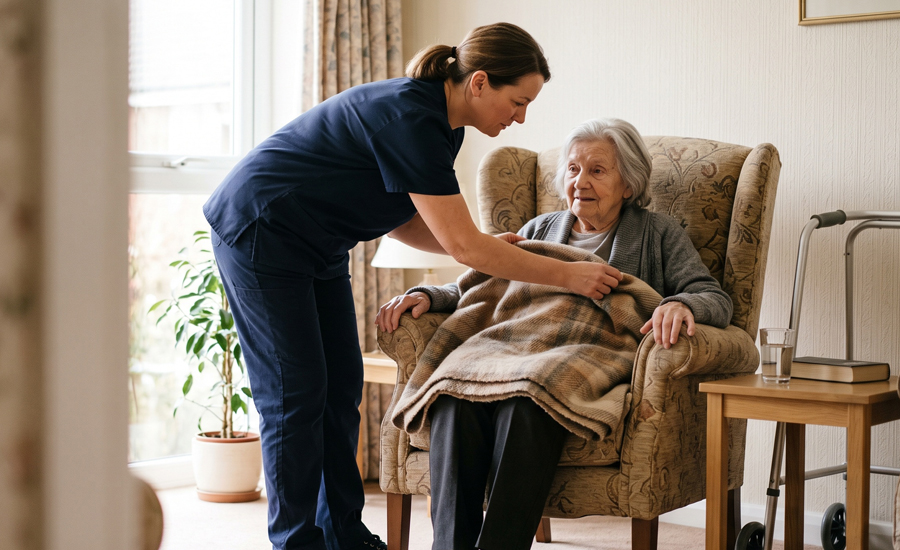
Have you noticed that your elderly loved one feels cold in a room everyone else finds comfortable? Or perhaps they insist on wearing a cardigan on a warm afternoon.
Whilst there are many joys in growing older, some changes occur in the body that can affect our health. One is temperature regulation, which can leave older adults vulnerable in hot weather and more susceptible to the cold, even indoors.
For care home residents, being aware of these changes is important because some older adults might struggle to recognise when they’re becoming too hot or cold. Here’s why this happens and how care staff can help keep your loved one healthy and safe.
Why Do Elderly People Feel Cold All the Time?
As we get older, our bodies produce less heat because we gradually lose muscle mass, which plays an important role in keeping us warm. Changes in circulation and the way our bodies respond to temperature can also make older adults more sensitive to the cold. Some medications and health conditions, including an underactive thyroid or anaemia, can also make the problem worse.
How Ageing Affects the Body’s Response to Temperature
As our bodies age, several changes can affect how easily we warm up or cool down.
Some reasons for this include:
Sweating Becomes Less Effective
During hot weather, sweating helps cool the body as moisture evaporates from the skin.
Older adults tend to produce less sweat or start sweating later in response to rising temperatures, making it harder for their bodies to release excess heat, increasing the risk of overheating.
Changes in Circulation Affect Heat Loss
When you’re cold, blood vessels near the skin narrow to help conserve body heat. This response can become less effective with age, making it harder to maintain a comfortable temperature. Poor circulation caused by certain medical conditions can also leave residents with persistently cold hands or feet.
Losing Muscle Mass Makes It Harder to Stay Warm
As we get older, we naturally lose some of the muscle that helps our bodies produce heat. This is one reason your loved one might feel chilly even when the room is comfortably warm.
The problem becomes more noticeable if they have difficulty walking or spend much of the day sitting, as their muscles aren’t working as much and they’re producing less heat through movement.
Reduced Sensitivity to Temperature Changes
Some older adults don’t notice temperature changes as quickly as they once did. That means your loved one might remain in a room that’s become uncomfortably warm without realising they need to move somewhere cooler.
Residents with dementia or communication difficulties may need additional checks because they can struggle to explain how they’re feeling.
How Care Homes Help Residents Stay Warm
Care staff should consider and assess residents’ mobility and personal preferences when helping them stay comfortable in colder weather.
Practical measures include:
Keeping rooms comfortably heated
Staff should monitor bedroom and communal room temperatures, particularly overnight and during cold spells. They can also provide extra blankets if the resident can’t warm up.
Providing suitable clothing
Layers of extra clothing allow residents to adjust how warm they feel without becoming overheated.
Checking bedding
Residents with limited mobility may need help adding or removing blankets during the night.
Encouraging gentle movement
Appropriate physical activity can help maintain muscle strength and generate body heat during the colder months.
Offering warm food and drinks
Hot meals and regular warm drinks can make residents feel more comfortable in colder weather.
Monitoring changes
Staff should investigate further or refer to a healthcare professional if a resident suddenly feels much colder than usual, particularly if they’re also experiencing fatigue or other symptoms.
Why Is Hot Weather More Dangerous for Older Adults
Hot weather can strain the heart and circulation, especially for residents with existing medical conditions.
A reduced ability to sweat means older adults can struggle to cool down as temperatures rise. And their sense of thirst can also become weaker with age, increasing the likelihood of dehydration.
Some medications can make matters worse. Diuretics increase fluid loss through urination, while medicines with anticholinergic effects can reduce sweating.
The UK Health Security Agency advises care settings to provide access to a cool room or area maintained below 26°C during hot weather for residents who are particularly vulnerable.
How Care Homes Can Prevent Overheating
During periods of high temperatures, staff can:
- Monitor bedroom temperatures throughout the day, paying attention to rooms exposed to direct sunlight in summer.
- Close blinds before rooms heat up and ventilate when outdoor air is cooler.
- Offer drinks regularly, taking account of any prescribed fluid restrictions.
- Help residents change into lightweight clothing and use lighter bedding.
- Arrange outdoor activities during cooler hours and provide shaded areas.
- Check more frequently on residents with limited mobility or conditions that affect their ability to communicate discomfort.
When Changes in Body Temperature Cause Concern in Older Adults
Feeling colder than usual is common in later life, but sudden changes or unusual symptoms shouldn’t be ignored.
Warning Signs During Cold Weather
Hypothermia occurs when core body temperature drops below 35°C. Possible symptoms include persistent shivering, slow breathing and unusual drowsiness.
Residents with suspected hypothermia need urgent medical assessment, as the condition can become life-threatening.
Warning Signs During Hot Weather
Heat exhaustion can cause headaches, dizziness, nausea and weakness.
If a resident develops confusion, loses consciousness or has a seizure during hot weather, heatstroke could be responsible. This is a medical emergency requiring immediate assistance.
Care staff should recognise these symptoms and respond promptly, particularly when residents are unable to explain how they’re feeling.
Staying Safe and Comfortable as the Seasons Change
As your loved one gets older, you might notice they feel the cold more than they used to or find hot weather increasingly uncomfortable. Let the care team know about any changes you’ve noticed, as these can sometimes be linked to medication or an underlying health condition.
It’s also useful to ask what precautions the home takes during particularly hot or cold weather, especially if your loved one has limited mobility or struggles to explain when they’re uncomfortable.
With carers paying attention to their individual needs and responding to changes in their health, your loved one can continue to enjoy their usual activities comfortably throughout the year.
Ready to explore...