The Link Between Dementia and Fall Risk in Care Homes
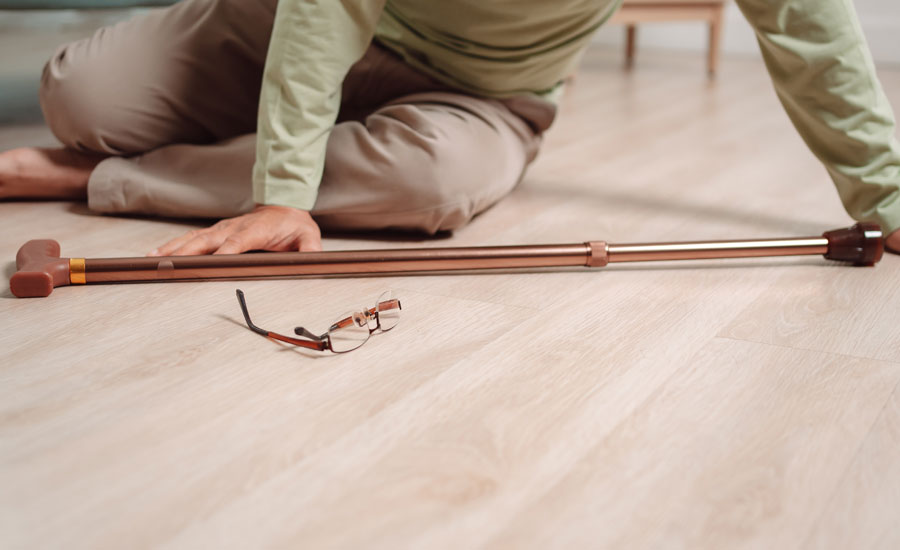
Falls are a serious concern for anyone living in a care home, but for residents with dementia, the risk is considerably higher. It is one of the most important and often underestimated challenges in dementia care and understanding the connection between the two is the first step towards addressing it.
Keep reading as we discuss the connection between falls and dementia in a care home setting.
Is There a Link Between Falls and Dementia?
Yes, and it’s actually significant.
Falls are already one of the most common causes of injury in older people, but residents living with dementia are at considerably higher risk of falling. Research suggests that around 80% of people living with dementia experience a fall each year, a rate far higher than the general older adult population.
Why Dementia Increases Fall Risk
We all know that dementia affects memory, but did you also know it affects the way the brain processes information, controls movement and interprets the environment?
The risk of falls in people living with dementia is significantly associated with impaired cognition, changes in gait, reduced ability to carry out daily activities and depression.
In practical terms, this means a resident misjudges distances, fails to notice a step, forgets they need to use a walking aid or stands up too quickly without registering the risk.
Disorientation, particularly at night or in unfamiliar surroundings, is another significant factor. A resident who wakes confused and tries to get up without calling for help is at far greater risk of a fall than someone who is fully aware of their surroundings.
Dementia also compromises balance during dual tasks, which can be something as simple as walking while talking or carrying a cup while navigating a corridor. It becomes much harder for them and increases the chance of losing balance.
The Role of Medication in Falls
Research from the UK’s Falls in Care Homes study, which analysed care and medication records from 84 UK care homes, found that for every additional drug prescribed, the chances of falling increased. Two-thirds of residents in the study were living with dementia and taking more than one regular drug that acts on the brain, such as an antidepressant or sedative, further increased fall risk.
Obviously, medication can’t be avoided, but it does mean that regular reviews are essential.
In fact, NICE guidance recommends structured medication reviews to identify anything that may be increasing a resident’s fall risk, with non-drug approaches considered wherever possible.
Physical Therapy in Falls Prevention
It might seem counterintuitive, but keeping residents with dementia as active as possible is one of the most effective ways to reduce fall risk. That’s because regular activity helps them maintain balance, strength and flexibility, reducing agitation and preserving the physical function needed for daily life.
Programmes that combine physical therapy and cognitive activity have shown particular promise. Bespoke exercise, delivered with the support of physiotherapists and care staff who know the individual well, can make a meaningful difference to both fall rates and overall quality of life.
Families Part in Care Home Falls Prevention
Families are always encouraged to stay involved in their loved one’s care. When it comes to falls prevention, some things worth flagging to the care team include:
- A new unsteadiness or change in the way your loved one walks
- Increased confusion at certain times of day
- A reluctance to walk or move around
- Any recent changes in medication or general health
Prevention is a Team Effort
No single person, policy or piece of equipment prevents falls in dementia care. What actually helps is a care team that pays attention, a thoughtfully designed environment, families who stay engaged and a shared commitment to keeping residents safe without compromising their independence.
That combination, when it works well, is what good, safe care for dementia residents looks like.
Ready to explore...